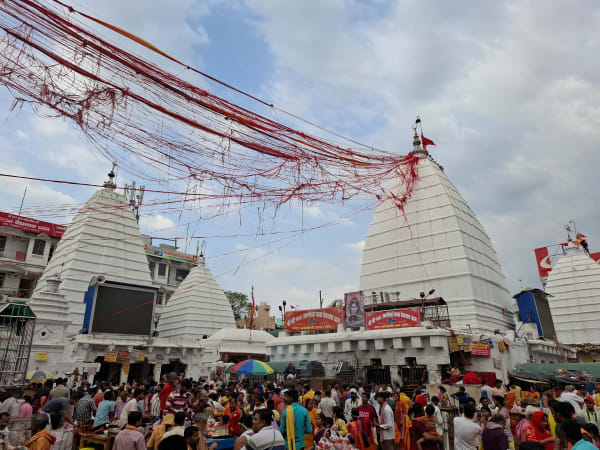
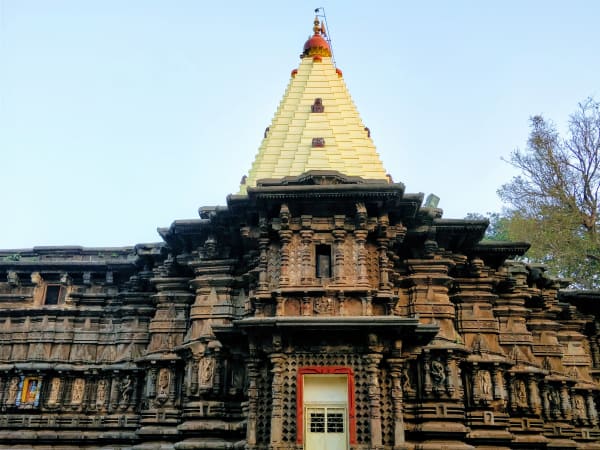
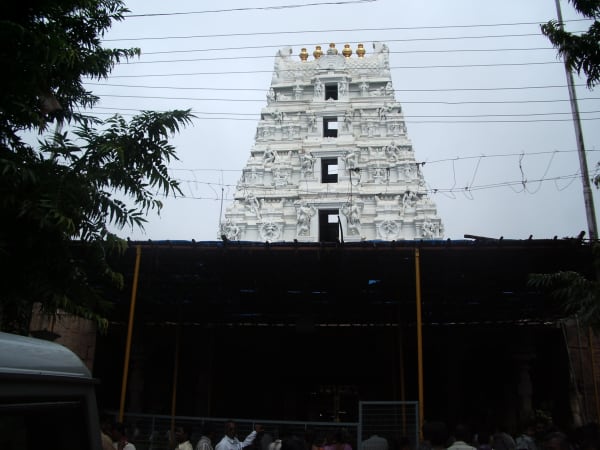
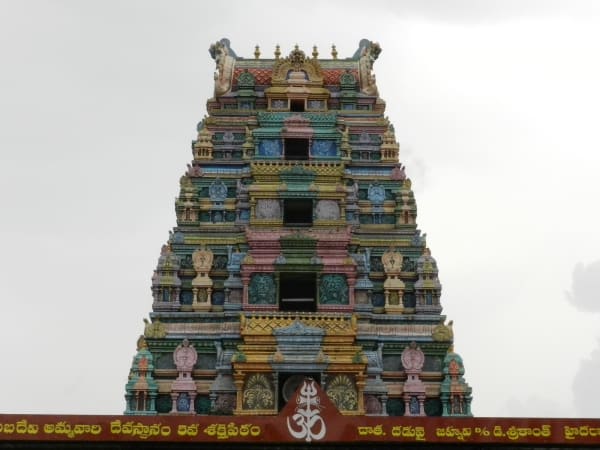
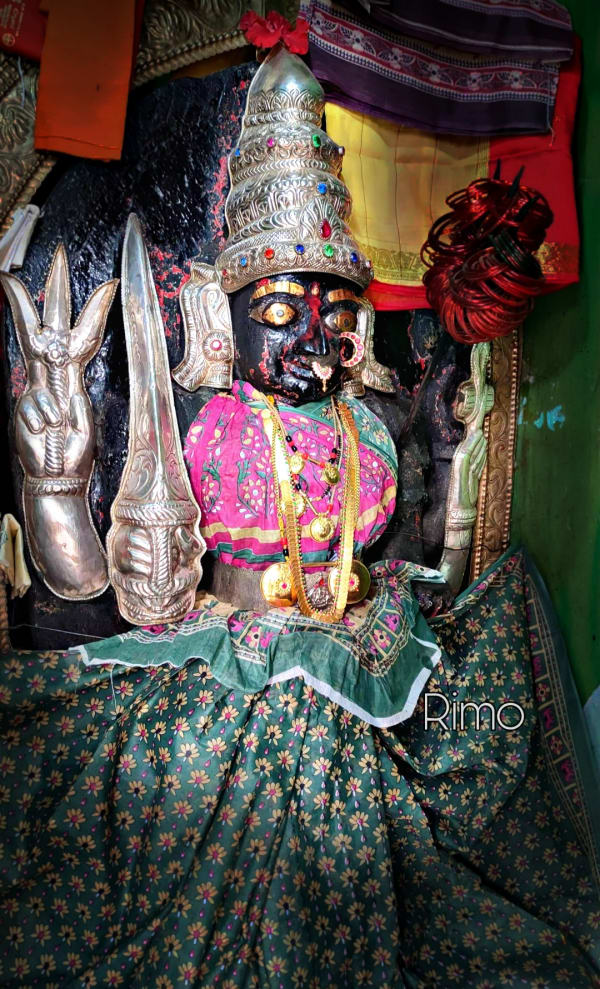
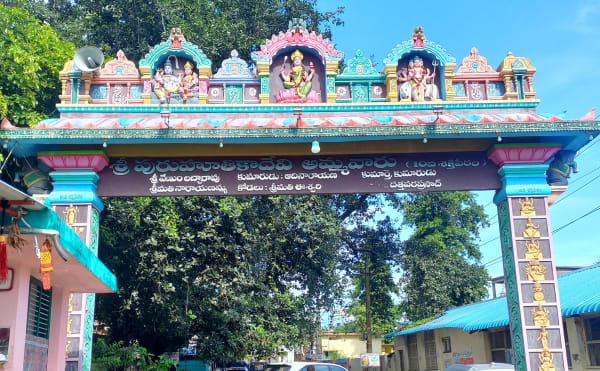
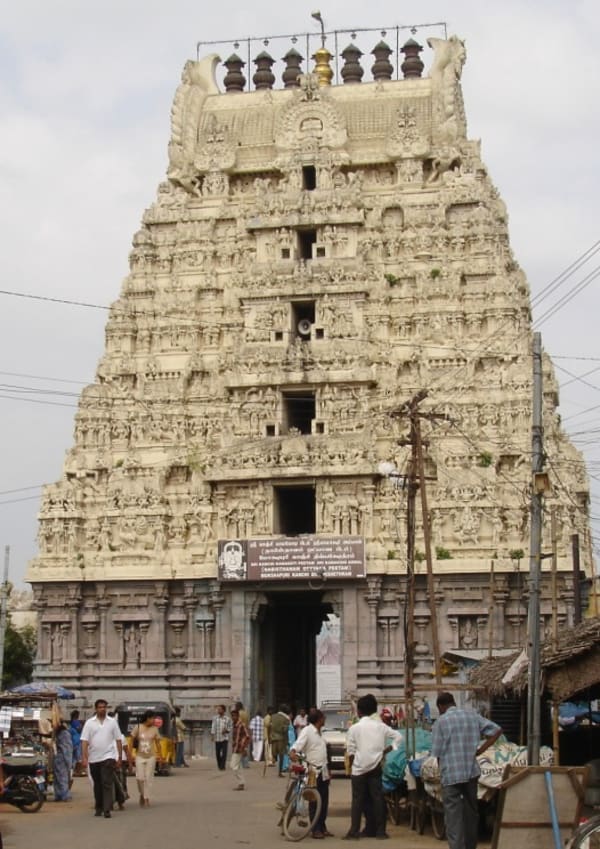
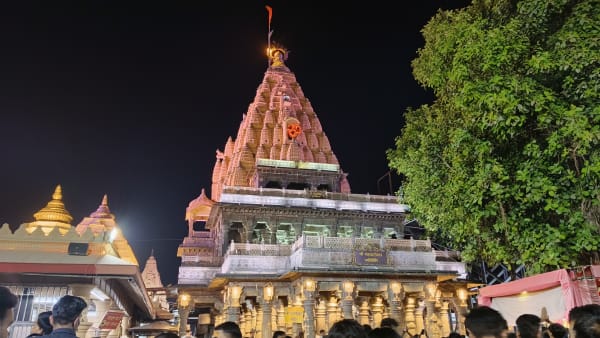
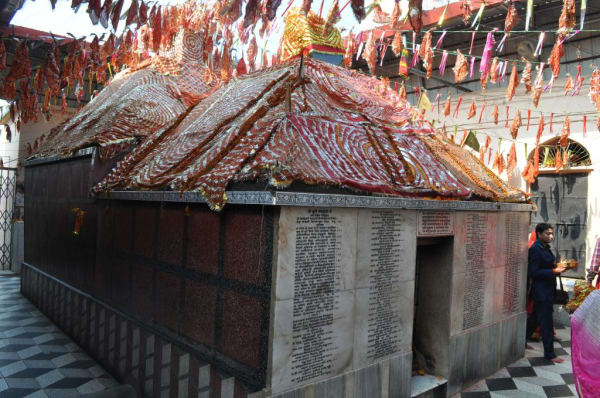
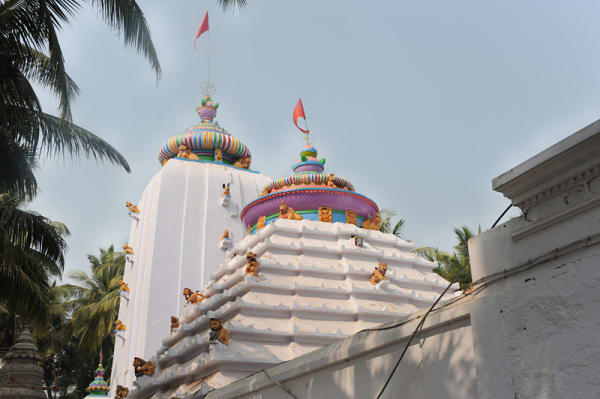
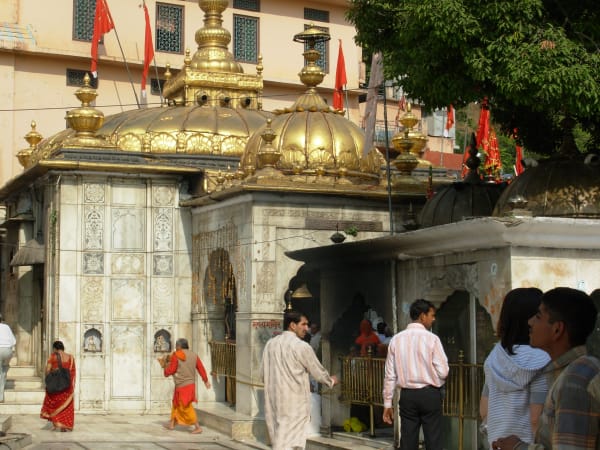
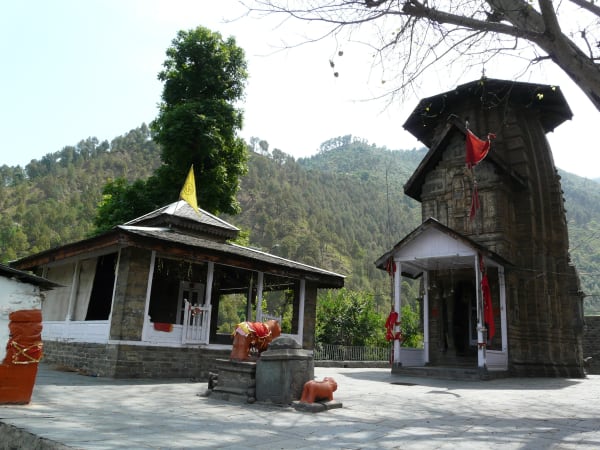
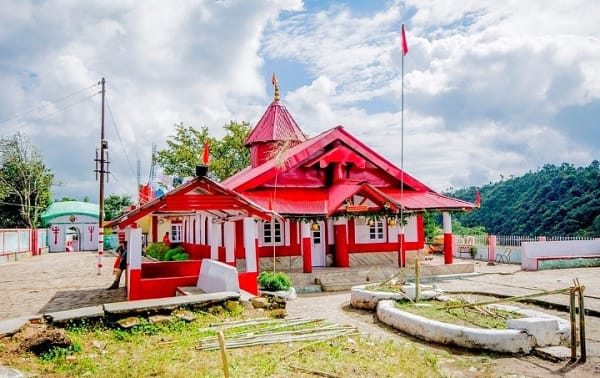
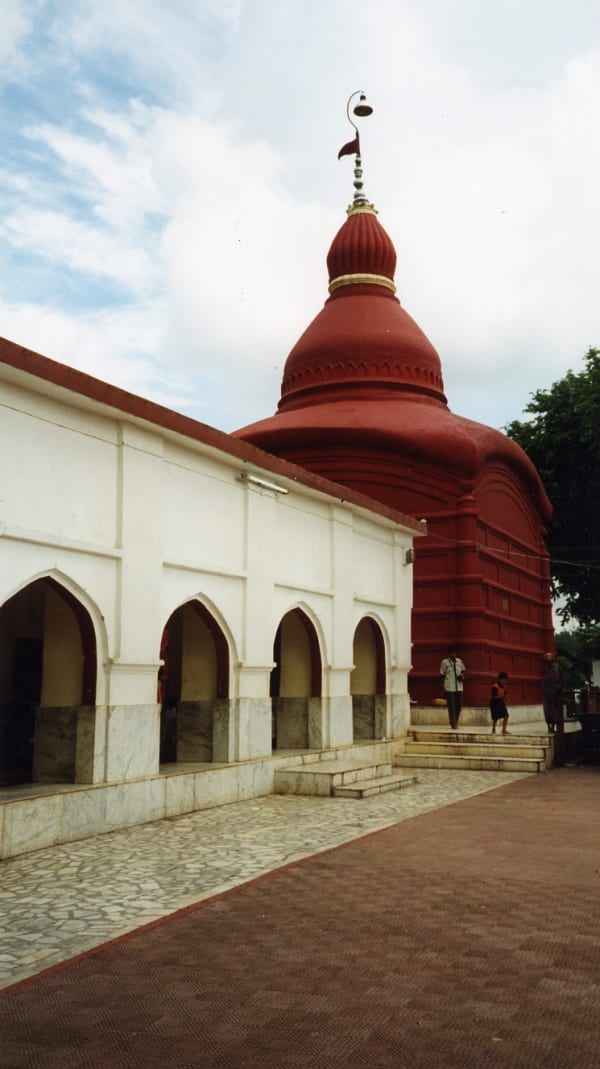
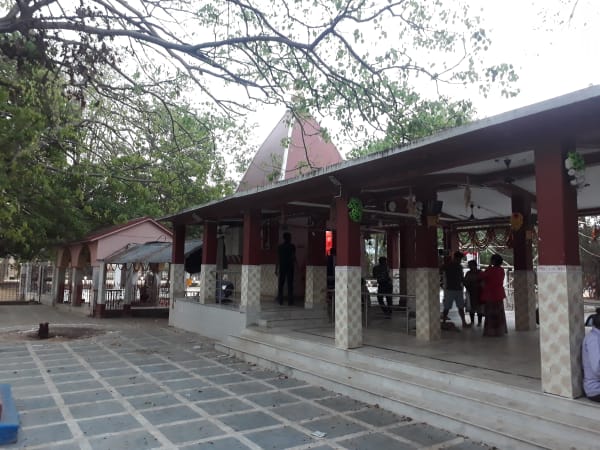
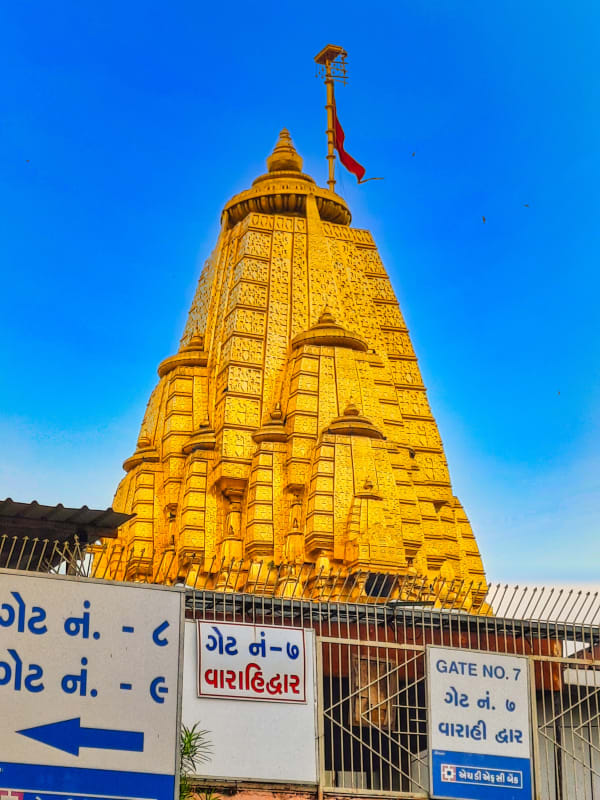
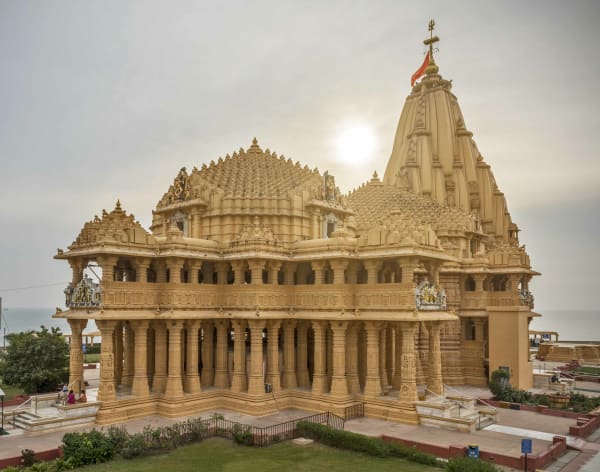
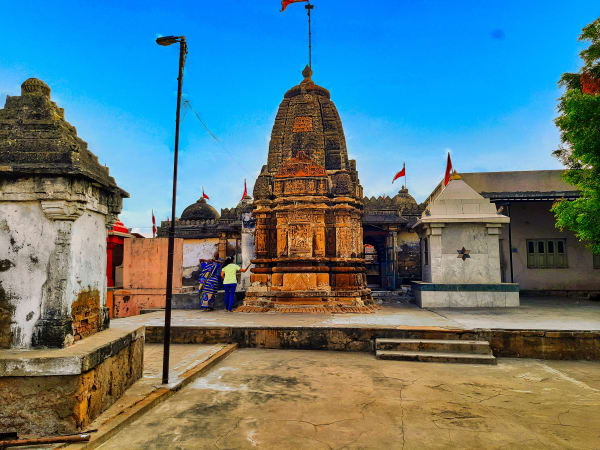
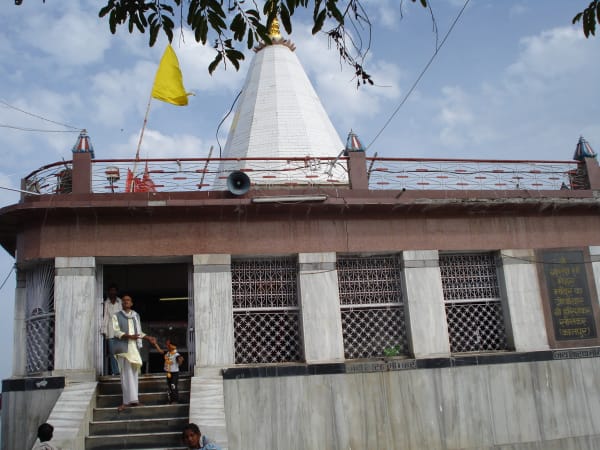
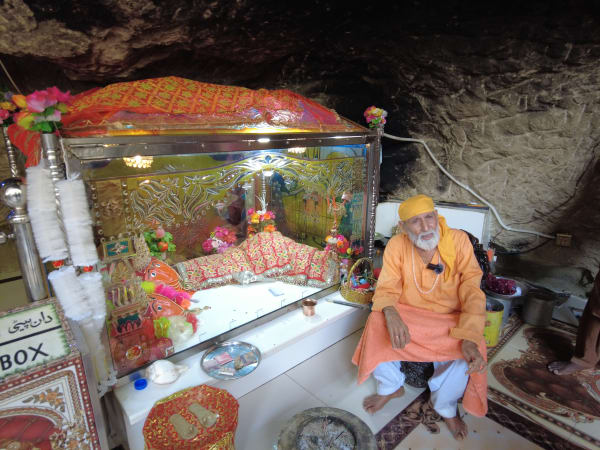
The Shakti Peethas are the seats of the Goddess, revered as the places where the earth itself was hallowed by her presence. Their origin is told in the Devi Bhagavata and the Kalika Puranas: when Sati gave up her body at her father Daksha's sacrifice, the grieving Shiva bore her form across the worlds in a wandering that threatened to unmake creation, until Vishnu's Sudarshana chakra released her, and the places where parts of her body and ornaments came to rest became abodes where she is worshipped ever after — each with its own name of the Goddess and its own guardian Bhairava.
Tradition has never fixed their number to a single count. Some reckonings name fifty-one, matched to the letters of the Sanskrit alphabet; others fifty-two, or sixty-four; the Devi Bhagavata speaks of one hundred and eight. Adi Shankaracharya's Ashtadasha Shakti Peetha Stotram gathers eighteen of these seats into a single hymn, and the larger lists hold all of them within. The differences are less contradictions than layers of a living tradition, each lineage preserving what it received.
Rather than choose one reckoning over another, this collection gathers the sixty-five seats it carries whose own traditions name them among the Peethas — spread from Kamakhya in Assam and Kalighat in Bengal to Hinglaj in the far west and Shankari in the south, some beyond the borders of present-day India. Together they trace the Goddess across the whole of the land she is said to inhabit.