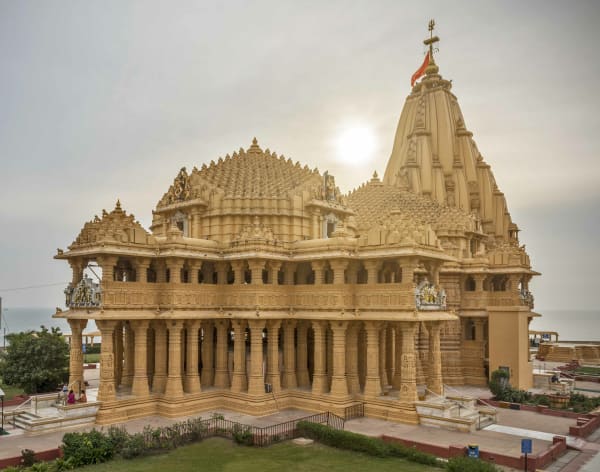
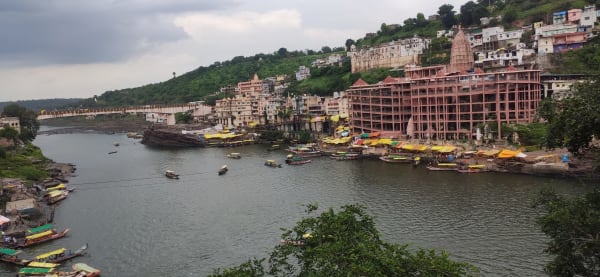
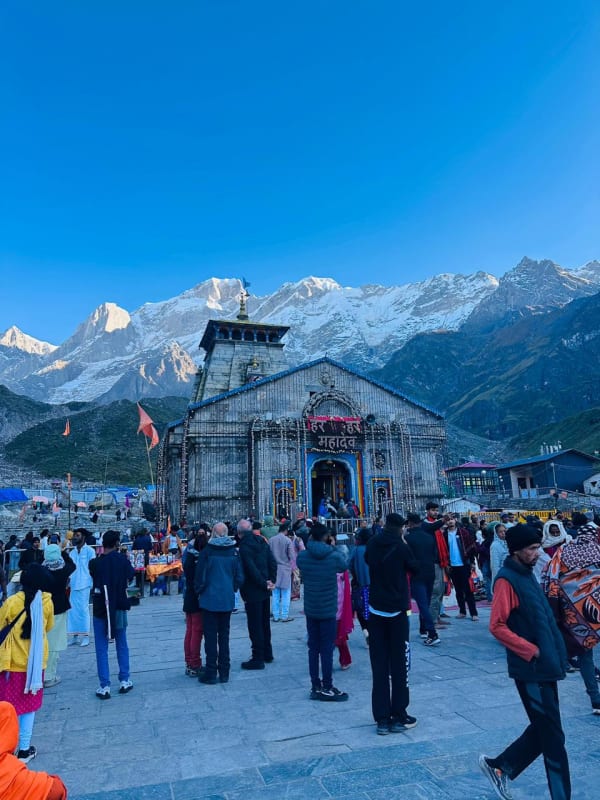
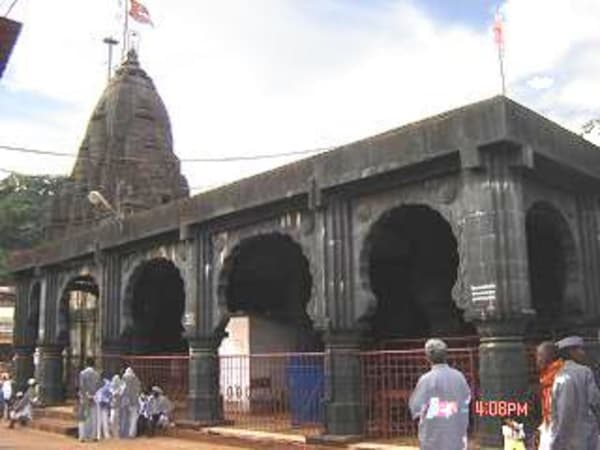
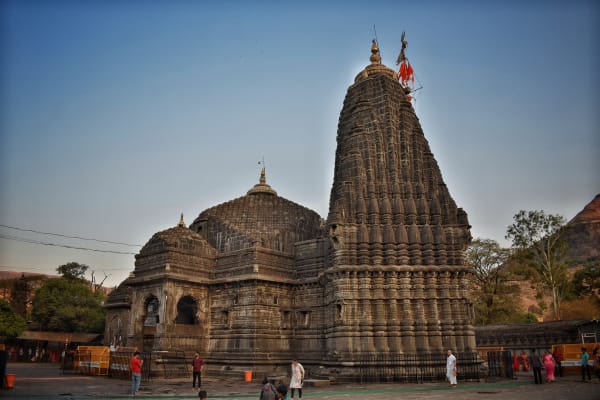
Across the land stand twelve shrines where Shiva is worshipped not as an image but as a lingam of light — a self-manifest column of radiance said to have neither beginning nor end. Their story is told in the Shiva Purana, whose Koti Rudra Samhita recounts how Brahma and Vishnu once contended over who was the greater, and how Shiva appeared between them as a boundless pillar of fire whose crown and root neither could reach, revealing himself as the source beyond all form. Where that light came to rest upon the earth, the twelve Jyotirlingas were established, and the same text names each place and the grace granted there.
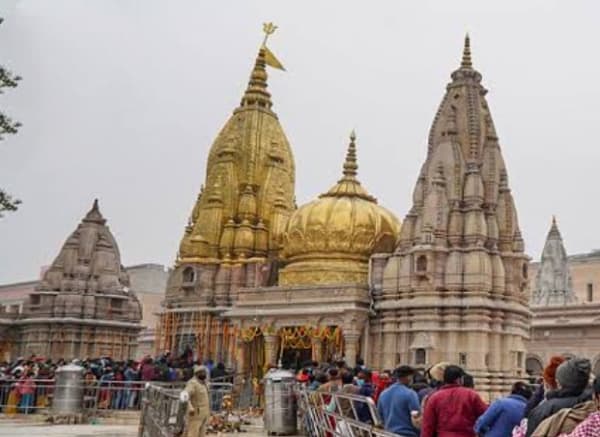
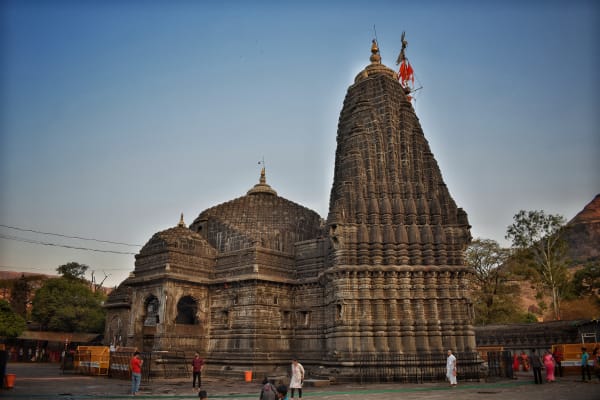
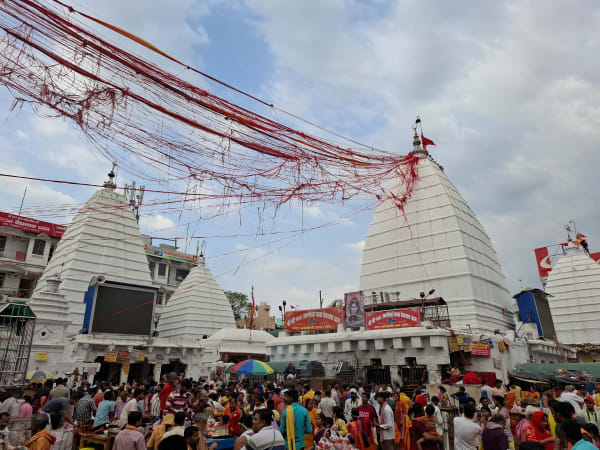
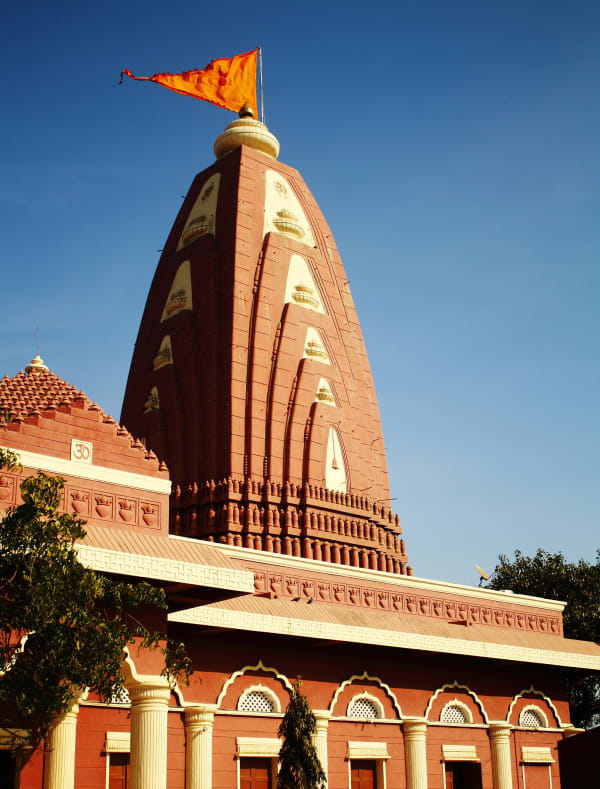
The Dwadasha Jyotirlinga Stotram, attributed to Adi Shankaracharya, gathers the twelve into a single hymn recited morning and evening, moving from Somnath on the Saurashtra coast to Mallikarjuna at Srisailam, through Mahakaleshwar at Ujjain and Kashi Vishwanath at Varanasi, up to Kedarnath in the Himalayas. Several were razed over the centuries and raised again each time, the rebuilding itself becoming an act of faith. To seek darshan of all twelve within one lifetime is a journey Shaiva devotees hold close, and together the shrines draw a map of devotion across the whole of Bharat.